Learning about child welfare looks different when you step inside the home itself.
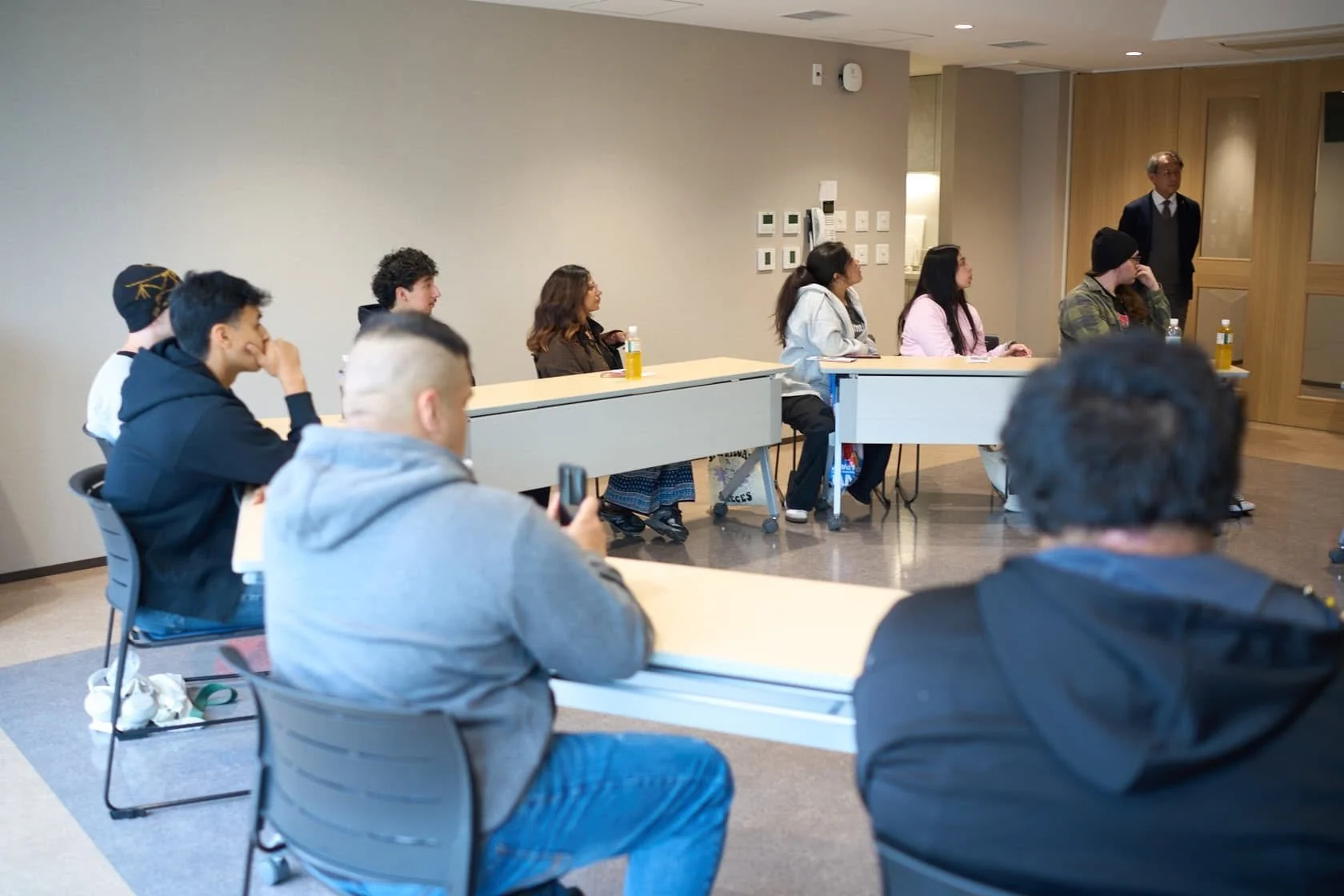
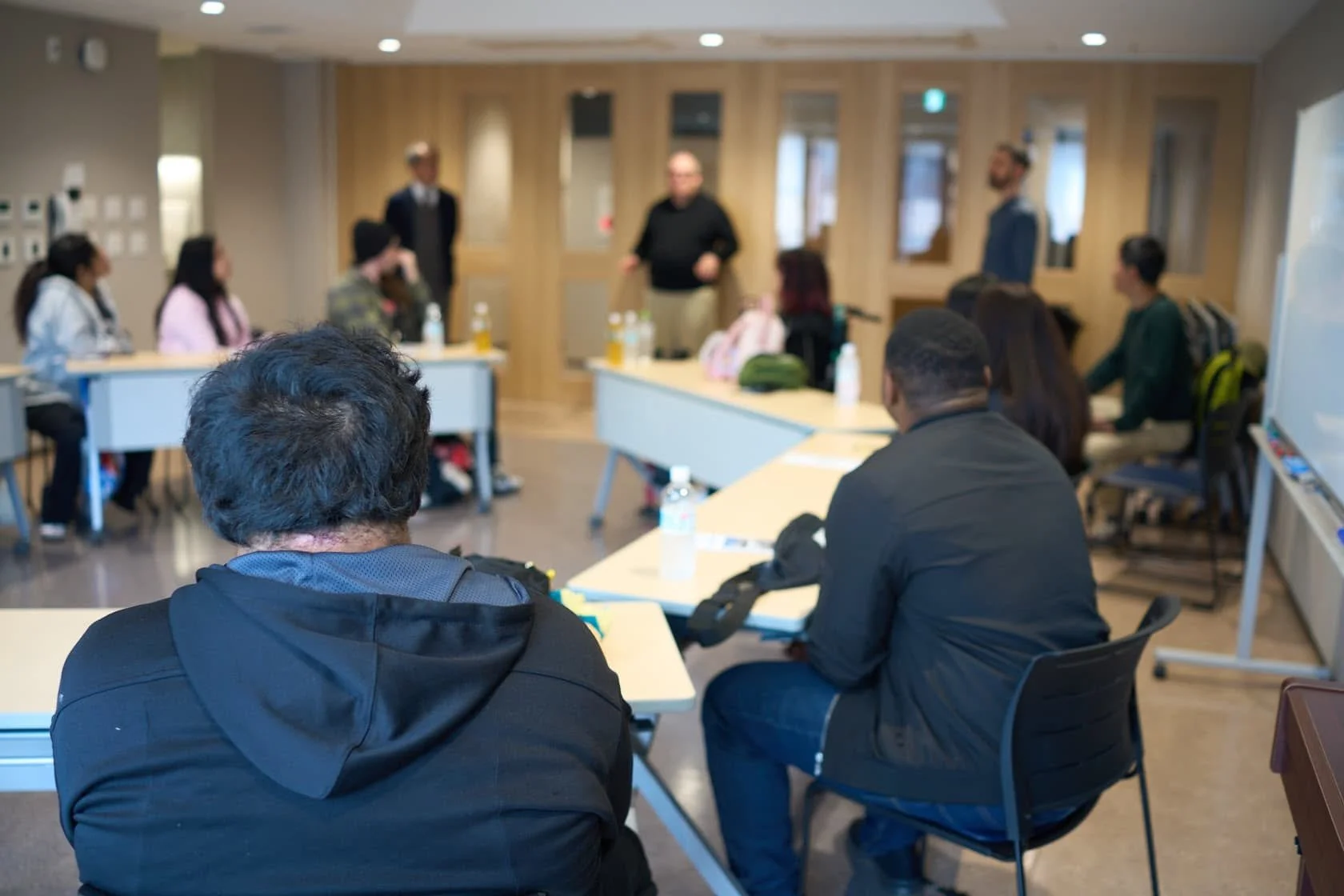
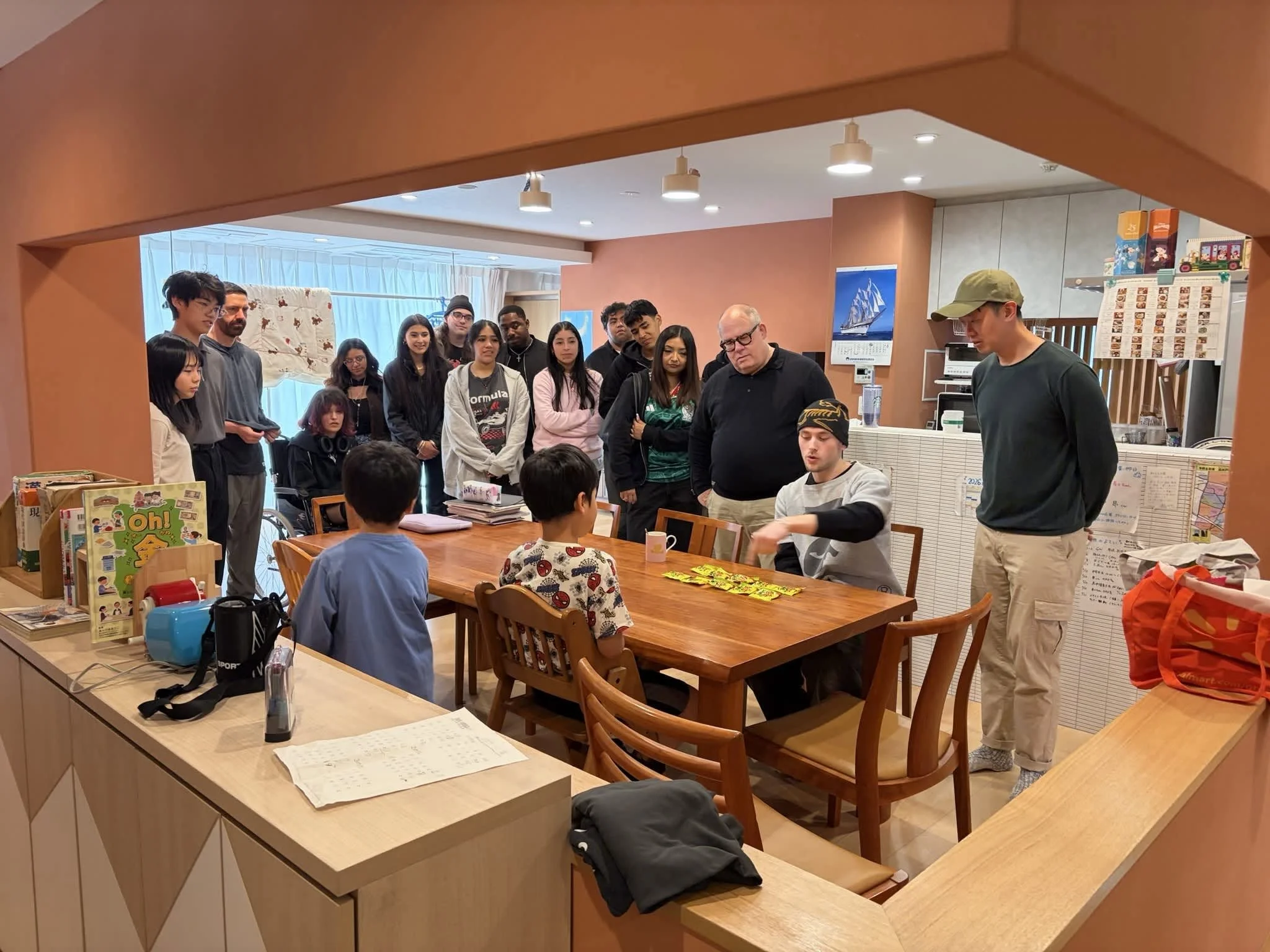
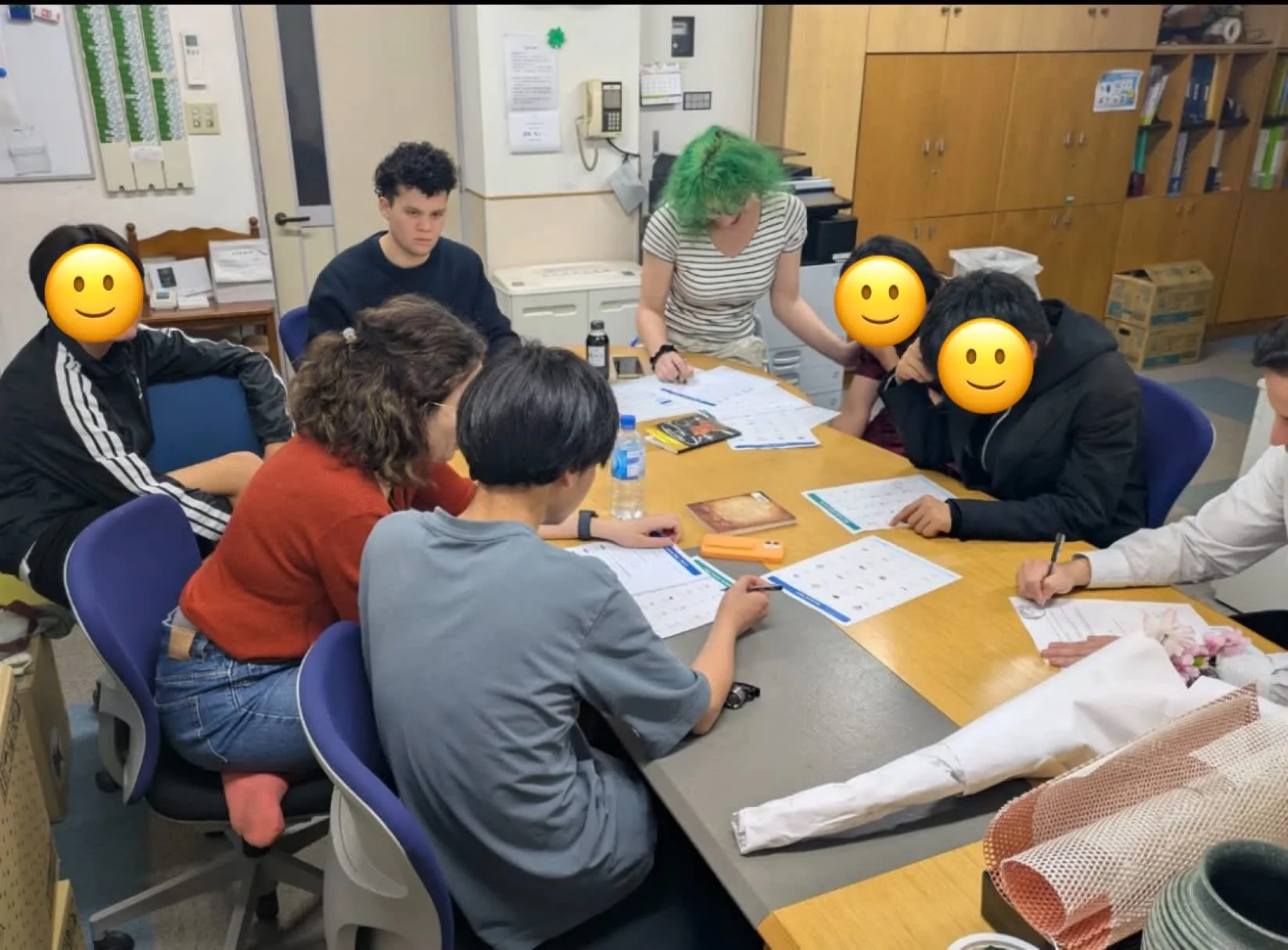
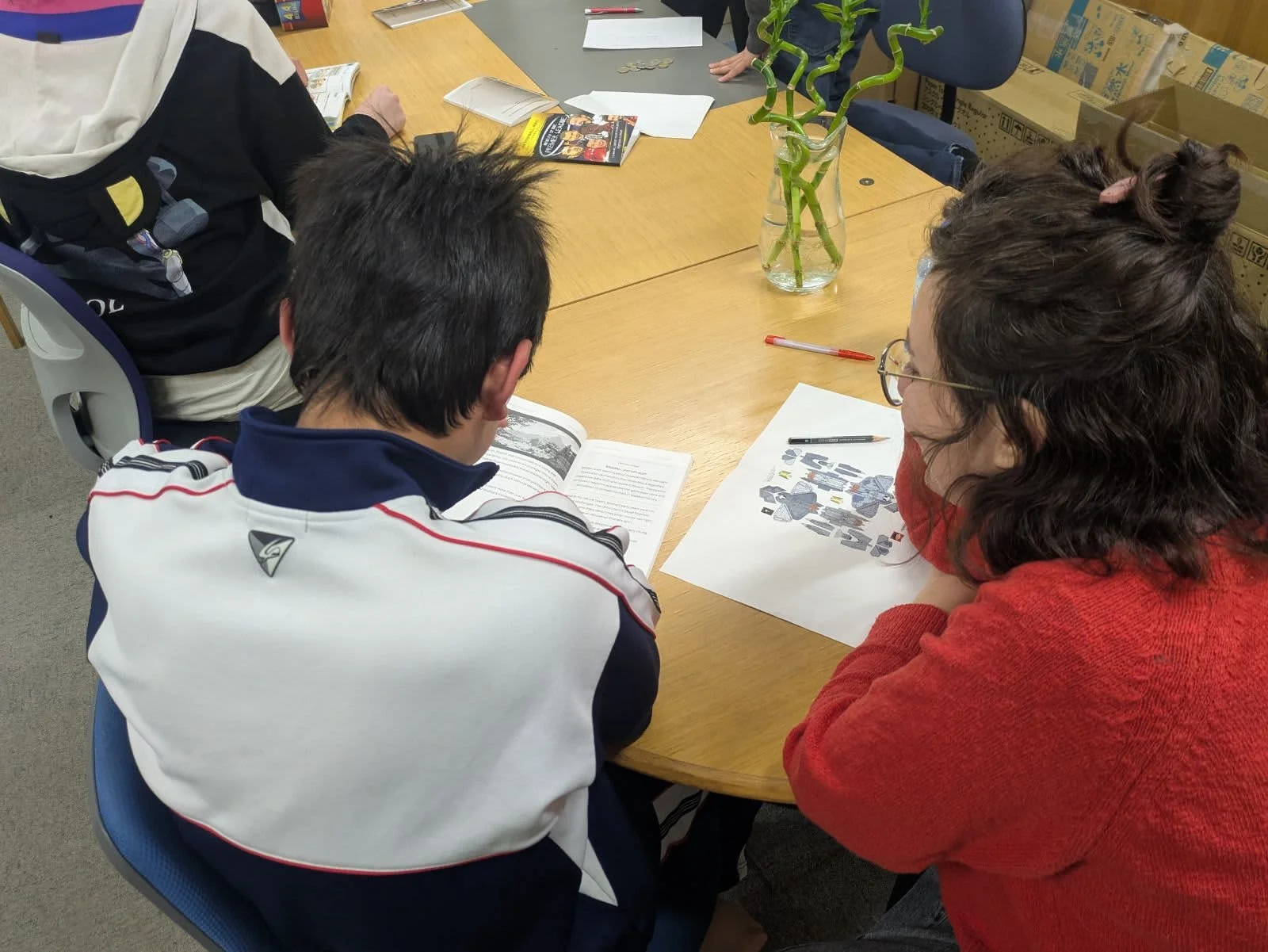
We were so glad to welcome the psychology class from Lake County College to Tokyo Katei Gakko. They sat in on a lecture, asked real questions, and spent time with the children to see firsthand how kids in alternative care are supported here in Japan.
That kind of direct, cross-cultural exchange matters. It shapes how the next generation of practitioners thinks about care, community, and what young people actually need.
Thank you to everyone from Lake County College for making the trip and bringing such genuine curiosity with you.
Curious about what we do at YouMeWe? Visit youmewenpo.org to learn more or sign up as a volunteer. We'd love to have you.
#YouMeWeNPO #YouthEmpowerment #DigitalInclusion #SocialImpact #fortheyouth
YouMeWe NPO (YMW), was organized in 2018 to empower, educate, and inspire children residing in foster homes in Japan,
assisting them with the opportunity to become productive, motivated members of society.
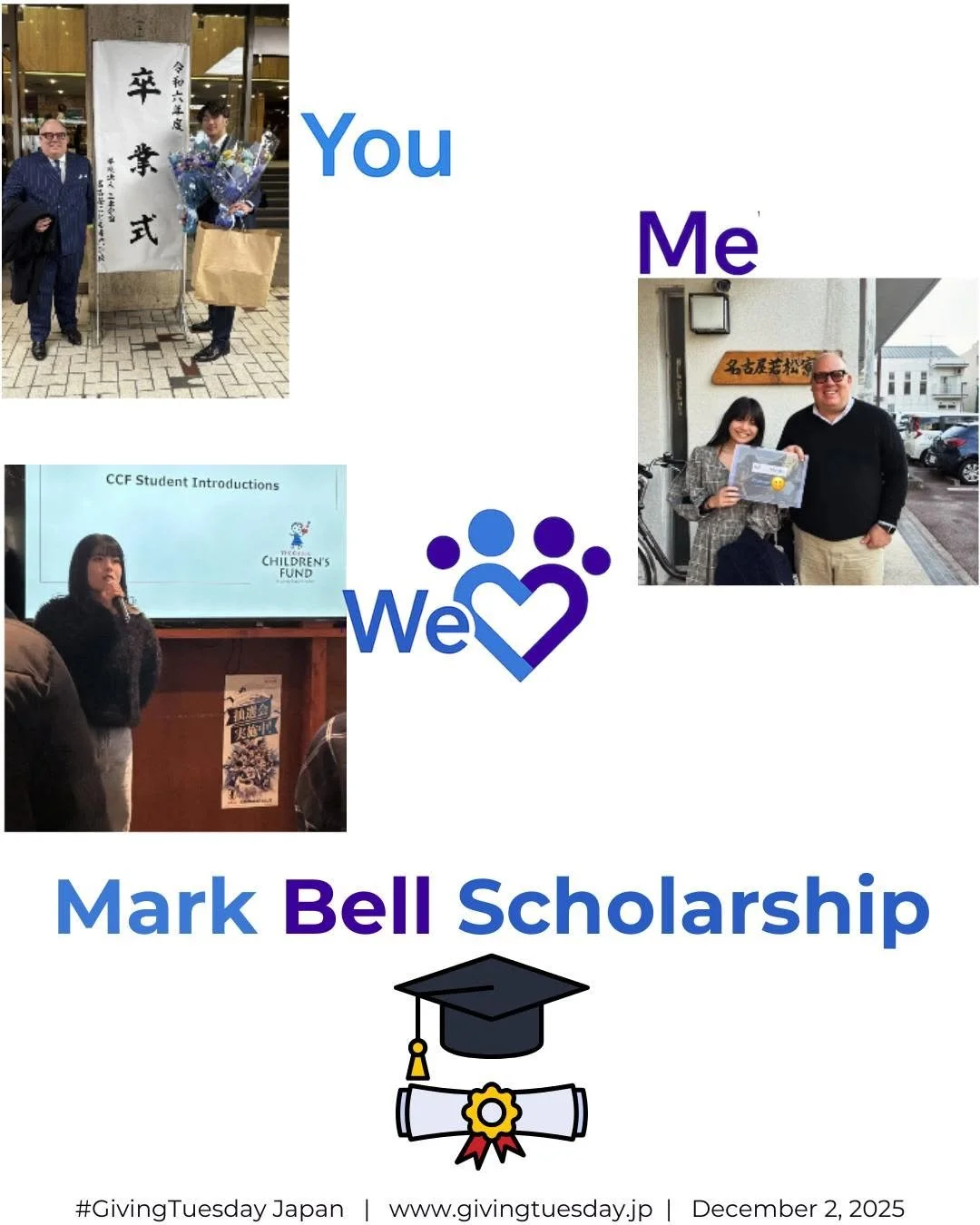
The objective of this Scholarship is to assist eligible children living in Japanese institutional Children's Homes who choose to go on to higher education. Initial funding for this scholarship was from a long-time friend and donor, Mr.Mark Bell of New York City, a true Digital Citizen.
Learn more here: https://youmewenpo.org
#givingtuesday #givingtuesdayJP#givingtuesdayjapan #youmewe #npo#nonprofitorganization #japan #チャリティー #日本 #ギビングチューズデージャパン @youmewenpo 特定非営利活動法人You Me We NPO
6/1 St.Francis
One of the greatest parts of teaching is learning. Volunteering is a great step towards educating yourself and others.
Volunteering with YouMeWe is a step towards a brighter future for yourself and children you can help teach. You don’t need to be a scholar to help, you only need the capacity to care and guide. Every hour with them makes a difference, help us help them and likely it will help your soul, too.
No teaching degree required and no lesson plan needed. Just show up with an open heart and open mind and give them your time and care.
We have more 2-hour volunteer shifts coming up, If you are interested in volunteering with us, please contact us at [email protected]💙
Children want a voice
Bill of Rights for Children and Youth in Foster Care
社会的養護の子ども・若者の権利章典
IFCA Children's Rights Project|IFCA 子どもの権利プロジェクト
Summary & Importance / 概要と重要性
English
What Is This Document?
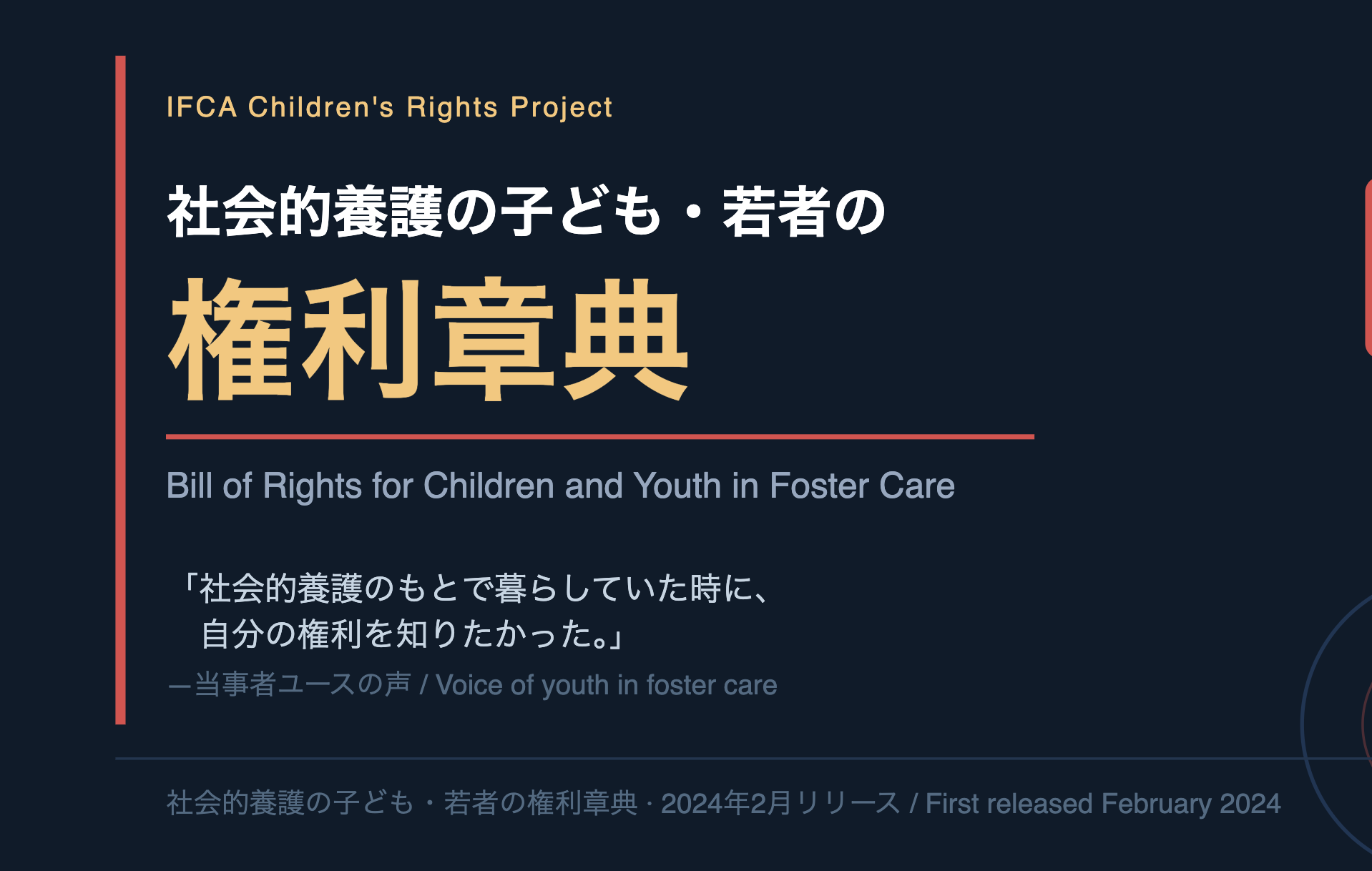
The Bill of Rights for Children and Youth in Foster Care is a landmark document created by the IFCA (International Foster Care Alliance) Children's Rights Project. Inspired by the California Bill of Rights for Children and Youth, it was carefully adapted — with the voices of youth in foster care at its center — to reflect the realities of Japan's child welfare system. The Japanese version was officially released in February 2024, marking five years of dedicated collaborative work.
Who Does It Protect?
This Bill of Rights applies to all children and youth who are in publicly-funded foster care — including those in foster homes, child welfare facilities, child psychotherapy facilities, and temporary shelters — because they have no parent or guardian, or because their care situation was deemed unsafe.
What Rights Does It Establish?
The Bill is organized into four chapters covering over 36 specific rights, including:
The right to be informed of their rights — in age-appropriate language, at key decision points in their care
The right to be cared for as a valued individual — with their unique personality, cultural background, and identity fully respected
Freedom from all forms of abuse and violence — physical, psychological, sexual, and neglect
Protection from discrimination — regardless of nationality, ethnicity, gender identity, sexual orientation (SOGI), disability, or foster care background
The right to participate in decisions about their own care, placement, and self-support plans
Medical and mental health rights — including the right to choose providers, refuse psychotropic medication (except in emergencies), and maintain medical privacy
Educational rights — including the right to remain in their school, access all educational options, and receive financial support for higher education
Civil rights — including privacy in communications, the right not to be locked up, freedom of thought and religion, and the right to maintain a personal bank account
The right to maintain family ties — including contact with siblings and relatives
The right to access information about their own welfare records, free of charge
Why Does It Matter?
Many children in foster care do not know what rights they have. As youth involved in the project shared: "I wish I had known my rights when I was in foster care." Without that knowledge, they cannot recognize when they are being treated unfairly — and cannot speak up.
This document exists to change that. It affirms that every child in foster care is a full human being with inherent dignity, and that the system responsible for their care is accountable for upholding their rights. Beyond individual protection, it serves as a guide for caregivers, child welfare workers, courts, and policymakers — creating a shared standard for what children deserve.
The effort to now produce a child-friendly version in plain Japanese, accessible even to elementary school students, reflects a commitment not just to declaring rights, but to ensuring children can actually use them.
Academic Context: The Roots of the Problem
The urgent need for this Bill of Rights is grounded in decades of scholarship on Japan's child welfare system. Roger Goodman's Children of the Japanese State: The Changing Role of Child Protection Institutions in Contemporary Japan (Oxford University Press, 2000), reviewed in the American Journal of Sociology (Vol. 110, No. 2, September 2004), provides essential academic context. Goodman's study documents how Japan's child protection system developed primarily around institutional care — large residential facilities — rather than family-based foster care, which has long been the norm in Western countries. This institutional orientation meant that children in state care were historically managed within a bureaucratic framework in which their individual voices, identities, and rights were structurally subordinated to institutional routines and state authority.
Goodman further examines how the definition of what constitutes a "child in need of protection" has shifted over time in Japan, and how child guidance centers (jidō sōdanjo) — the gatekeeping institutions of the welfare system — exercise enormous discretionary power over children's lives with limited external accountability. His analysis reveals a system that, despite its intentions, was not designed to center the child's own perspective or agency.
This is precisely the gap the Bill of Rights for Children and Youth in Foster Care works to close. Where Goodman's scholarship diagnosed a system shaped by institutional and bureaucratic logic, the Bill of Rights inserts the child as a rights-bearing subject — one whose voice must be heard, whose dignity must be respected, and whose welfare cannot be reduced to administrative convenience. Read together, the academic record and this Bill of Rights tell a coherent story: a welfare system undergoing a long-overdue transformation, now being held to an explicit human rights standard for the first time.
日本語
この文書とは何か
「社会的養護の子ども・若者の権利章典」は、IFCA(国際フォスターケアアライアンス)子どもの権利プロジェクトが作成した画期的な文書です。アメリカ・カリフォルニア州の子ども・若者の権利章典に着想を得て、社会的養護の当事者ユースの声を中心に据えながら、日本の実情に合わせた形に丁寧につくりあげられました。日本語版は2024年2月に正式リリースされ、5年にわたる粘り強い協働の成果となっています。
誰を守る文書か
この権利章典は、保護者がいない、または不適切な養育環境にあるため、公的な社会的養護のもとで暮らすすべての子ども・若者に適用されます。対象には、里親家庭、児童養護施設、児童心理治療施設、一時保護所などが含まれます。
どのような権利が定められているか
全4章・36条以上の具体的な権利が定められており、主なものは以下の通りです。
権利について説明を受ける権利 — 年齢や発達に応じた方法で、措置の節目ごとに
ひとりの大切な人間として養育される権利 — 個性・文化的背景・アイデンティティを尊重され
あらゆる虐待・暴力からの自由 — 身体的・心理的・性的・ネグレクトを含む
差別を受けない権利 — 国籍・民族・性自認・性的指向(SOGI)・障がい・社会的養護経験等を理由とした差別の禁止
自分のケア・措置・自立支援計画への参加の権利
医療・メンタルヘルスにかかわる権利 — 医療機関の選択、向精神薬の拒否(緊急時を除く)、医療記録の秘密保持を含む
教育の権利 — 転校しないで学べる権利、あらゆる教育の選択肢へのアクセス、高等教育への支援
市民的権利 — 通信の秘密、鍵をかけ閉じ込められない権利、思想・宗教の自由、銀行口座の保持
きょうだいや親族との連絡・交流の権利
自分の児童福祉に関する記録に無料でアクセスできる権利
なぜ、この文書が重要なのか
社会的養護の子ども・若者の多くは、自分にどのような権利があるか知らずに育ちます。プロジェクトに関わったユースの声が示す通り——「社会的養護のもとで暮らしていた時に、自分の権利を知りたかった」。権利を知らなければ、不当な扱いを受けていることに気づくことも、声を上げることも難しくなります。
この権利章典は、そのような現実を変えるために存在します。社会的養護のもとで育つすべての子どもが、固有の尊厳をもつ一人の人間であることを宣言し、その養育を担う社会全体が権利保障に責任を持つことを明確にしています。個人の保護にとどまらず、養育者・児童福祉従事者・裁判所・政策立案者への指針として、子どもが受けるべき支援の共通基準を示しています。
さらに現在、小学生にも伝わる「やさしい日本語版の権利章典」の作成が進められています。これは、権利を「宣言する」だけでなく、子どもたちが実際に「使える」ものにするための、深いコミットメントの表れです。
学術的背景:問題の根源
この権利章典の必要性は、日本の児童福祉制度を長年研究してきた学術的知見によっても裏付けられています。ロジャー・グッドマンの著書『Children of the Japanese State: The Changing Role of Child Protection Institutions in Contemporary Japan』(邦題の直訳:日本国家の子どもたち――現代日本における児童保護施設の変容)(オックスフォード大学出版局、2000年)は、『American Journal of Sociology』(第110巻第2号、2004年9月)で書評が掲載された重要な学術書です。
グッドマンは、日本の児童保護制度が家庭型養護(里親)ではなく、大規模施設型ケアを中心に発展してきた歴史を詳細に記録しています。この施設中心の構造のもとでは、子どもたちは個人としての声や権利よりも、制度的な慣行や国家の権威に従属するよう位置づけられてきました。また、児童相談所が子どもの処遇に対して持つ裁量的権限の大きさと、それに対する外部からの説明責任の欠如も指摘しています。
この学術的知見と「社会的養護の子ども・若者の権利章典」は、深いところでつながっています。グッドマンが制度的・行政的論理によって形成されたシステムの問題を診断したとすれば、この権利章典はそこに権利主体としての子どもを置き直すものです——自分の声が聴かれ、尊厳が尊重され、福祉が行政の都合に還元されない存在として。学術的記録とこの権利章典を重ねて読むことで、ひとつの一貫した物語が見えてきます。それは、長年の遅れを取り戻しつつある日本の児童福祉制度が、はじめて明確な人権基準のもとに問われるようになった、変革の歩みです。
IFCA Children's Rights Project / IFCA 子どもの権利プロジェクト代表 香坂ちひろ First Japanese version released: February 2024 / 日本語版第1報リリース:2024年2月
5/25 St.Francis
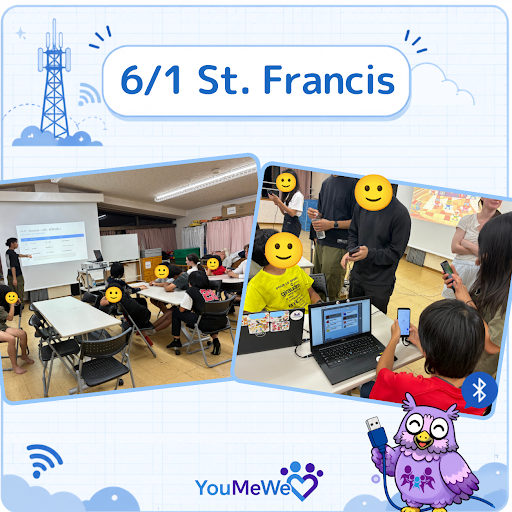
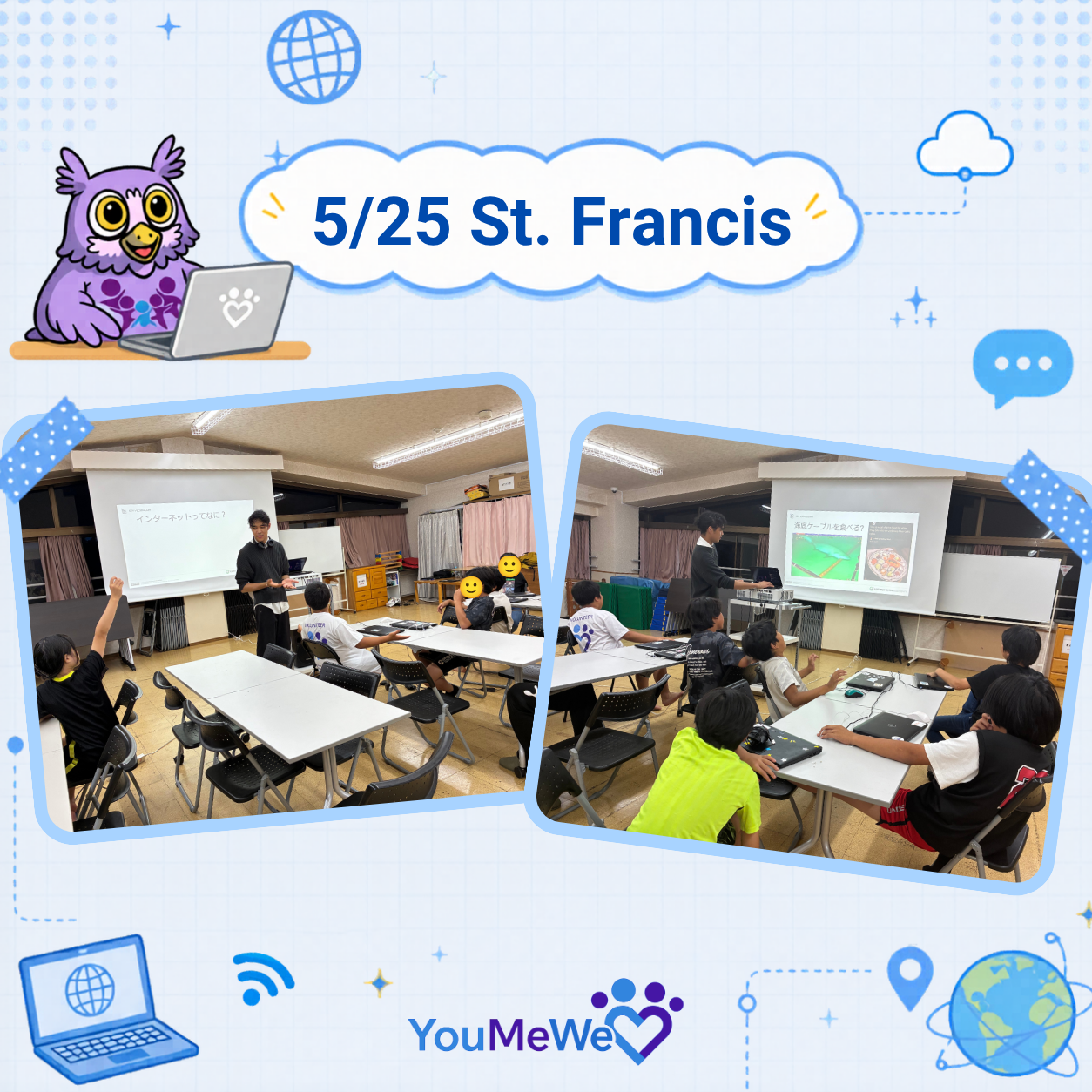
This week at St. Francis, the children learned about the Internet and how it works! We talked about what the Internet is, how we connect to it, and where the information goes when we use websites or watch videos online.
The children also learned that the Internet is connected around the world through many different systems, including cables under the ocean. They were especially surprised to hear that fish can sometimes bite submarine cables!
After the lesson, we played a Kahoot quiz about what we learned. Some of the information was new and surprising for the children, but they did an amazing job thinking through the questions, learning together, and growing their understanding. A
big thank you to all of our volunteers who helped support the students during the activity. If you are interested in volunteering with us, please contact us at [email protected]💙
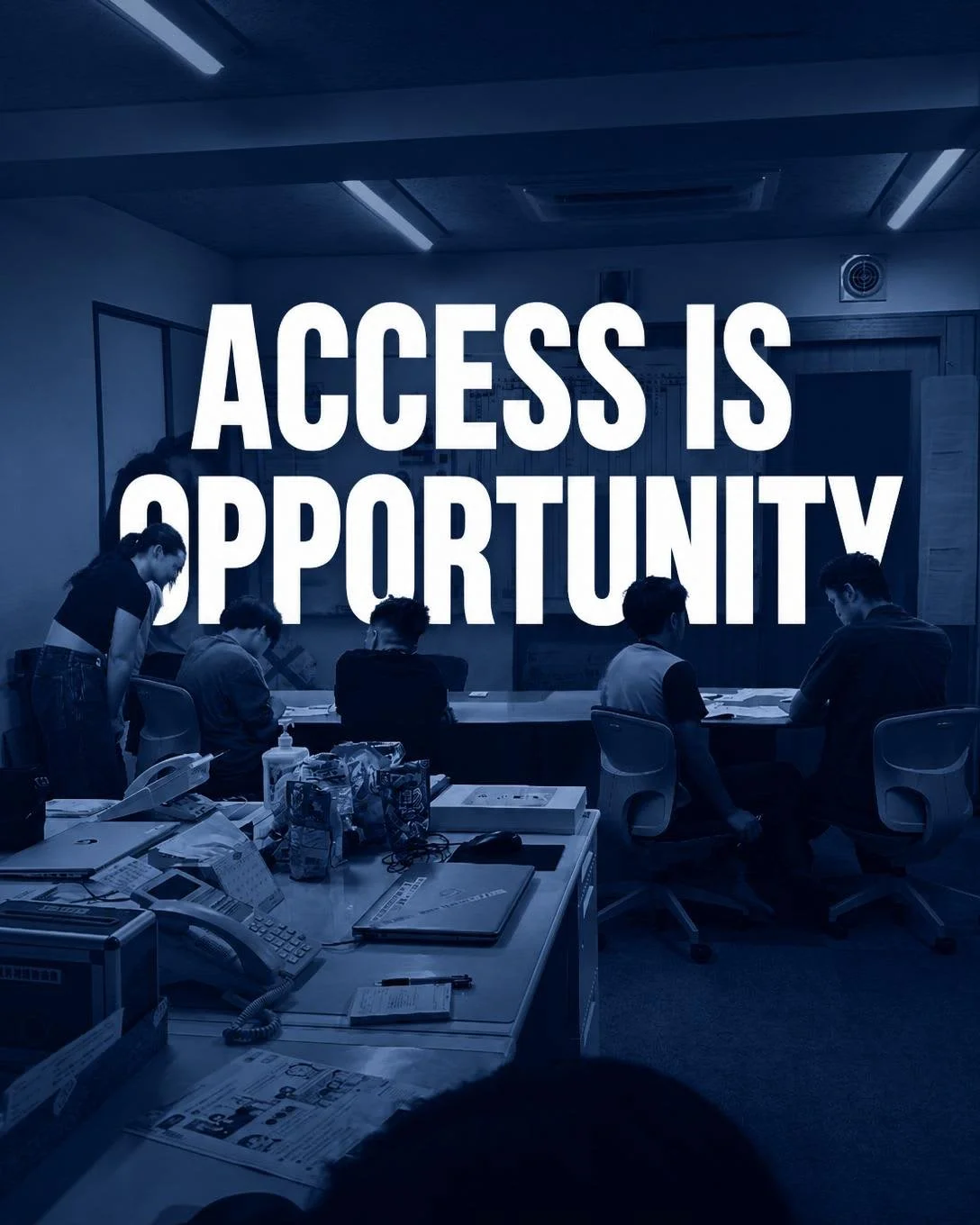
Today is Global Accessibility Awareness Day, and access means more than a ramp or a screen reader.
For children growing up in institutional homes, having a device and a working internet connection can be the difference between falling behind and catching up.
A huge thank you to Carter Group, LeWagon, AP Advisers,Fortris, Epam and KiFor for the Android pads, laptops and MacBooks that put real tools in real hands. That part is covered.
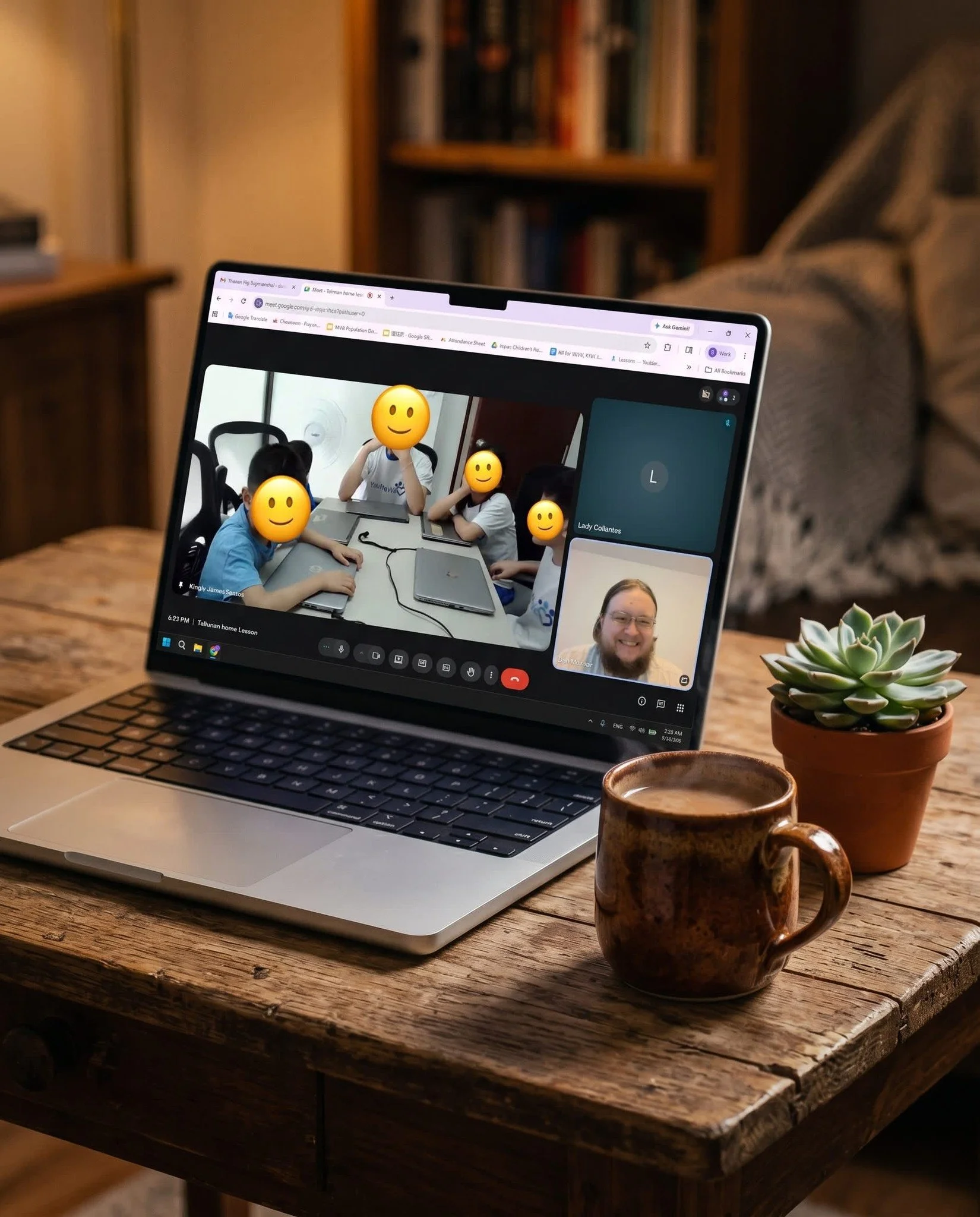
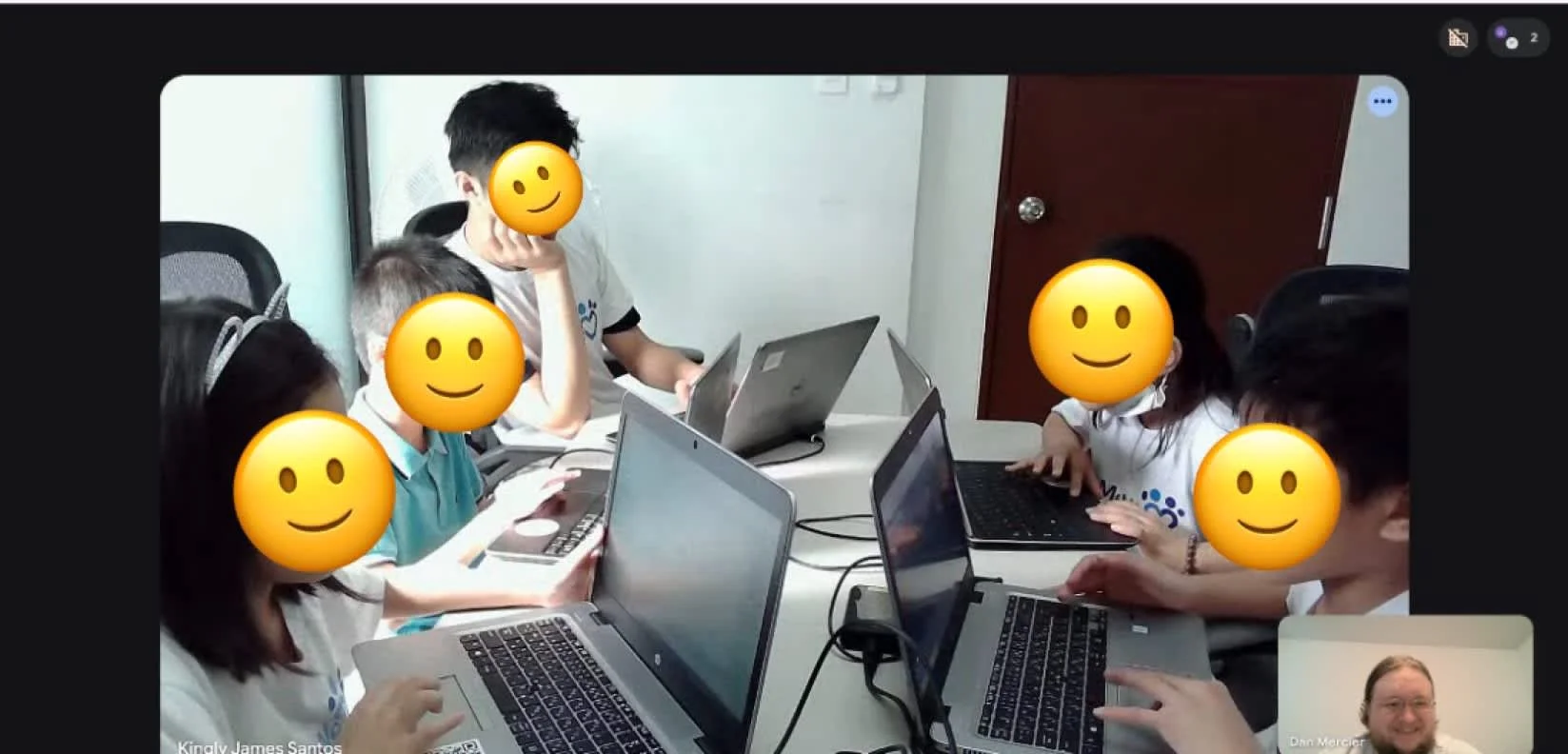
What we still need is you. Our online instruction team connects volunteers in Japan with students in Manila every week. It takes about two hours. The kids show up. Do you?
Link in bio to join via Peatix.
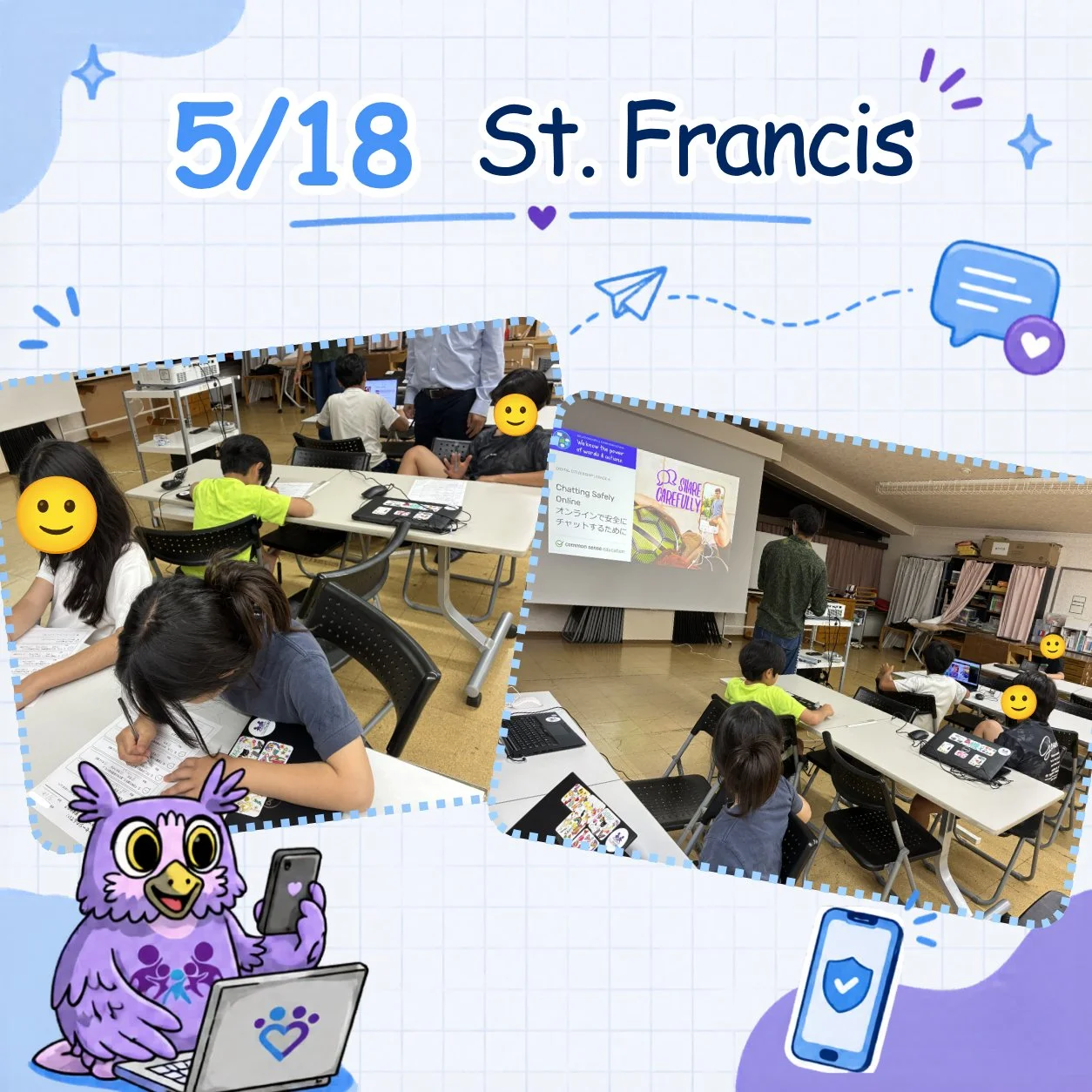
This week at St. Francis, the children learned about chatting safely online.
We talked about how messages from people we meet online can sometimes be safe, sometimes need caution, and sometimes should be shared with a trusted adult.
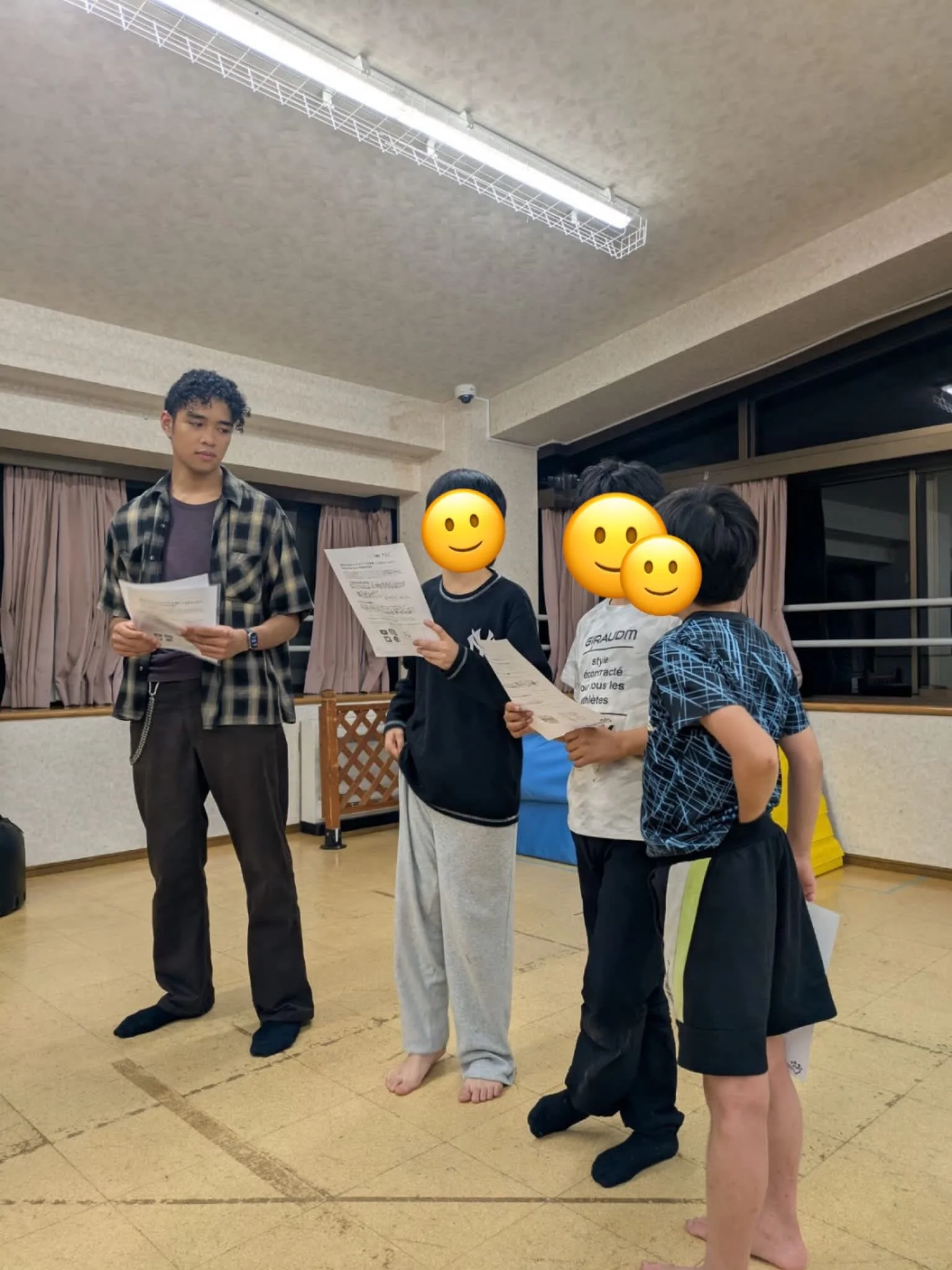
During the activity, the children read different message examples and thought about what they should do in each situation. They practiced choosing between “safe,” “be careful,” and “ask an adult,” while also explaining their reasons.
Through this lesson, the children learned the importance of not sharing personal information, being careful with private messages, and asking for help when something feels strange or uncomfortable.
A big thank you to all of our volunteers who helped support the students during the activity. If you are interested in volunteering with us, please contact us at [email protected]
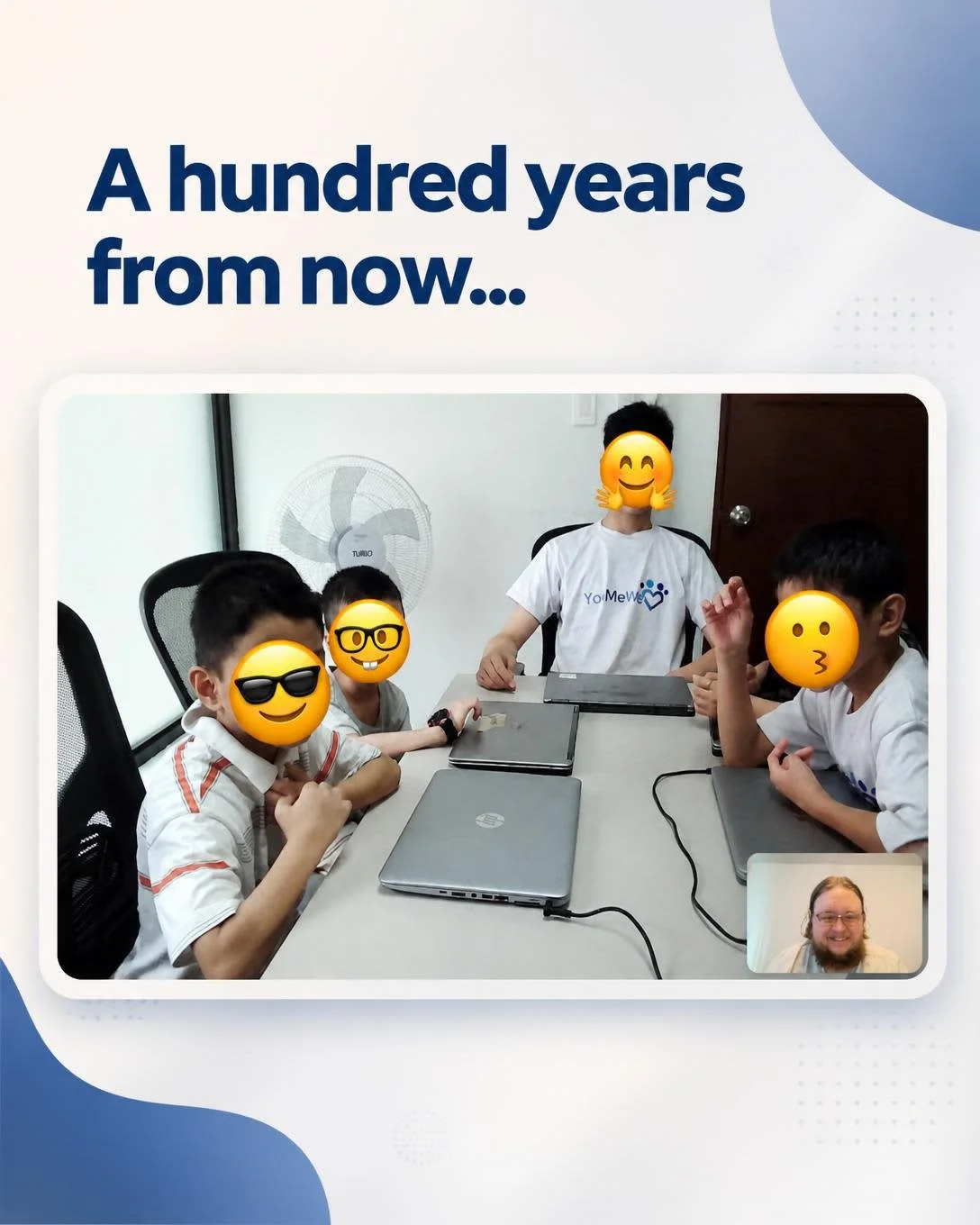
This quote lives in my head every time I open my laptop to check in on our weekly online sessions from Japan and USA to Manila.
"A hundred years from now, it will not matter what my bank account was, the sort of house I lived in, or the kind of car I drove, but the world may be different because I was important in the life of a child."
- Forest Witcraft, 1950
The kids log on. We work through English, talk about futures, laugh a little. And somewhere in those two hours we remember that showing up, consistently, is the whole thing. Not the fanfare, not the kuddos. Just being there for a child who remembers that you were.
Two hours a week is enough to be that person for someone.
If you have been thinking about volunteering, or if you just want to support what we are doing, now is a good time to step in. We are 17 years into this work and the village keeps growing because people like you choose to join it.
Come be part of it.
Visit youmewenpo.org or send us a message to find out how you can get involved. You can also reach us at [email protected].
#YouMeWeNPO #YouthEmpowerment #DigitalInclusion #SocialImpact #fortheyouth #alternativecare #CSR
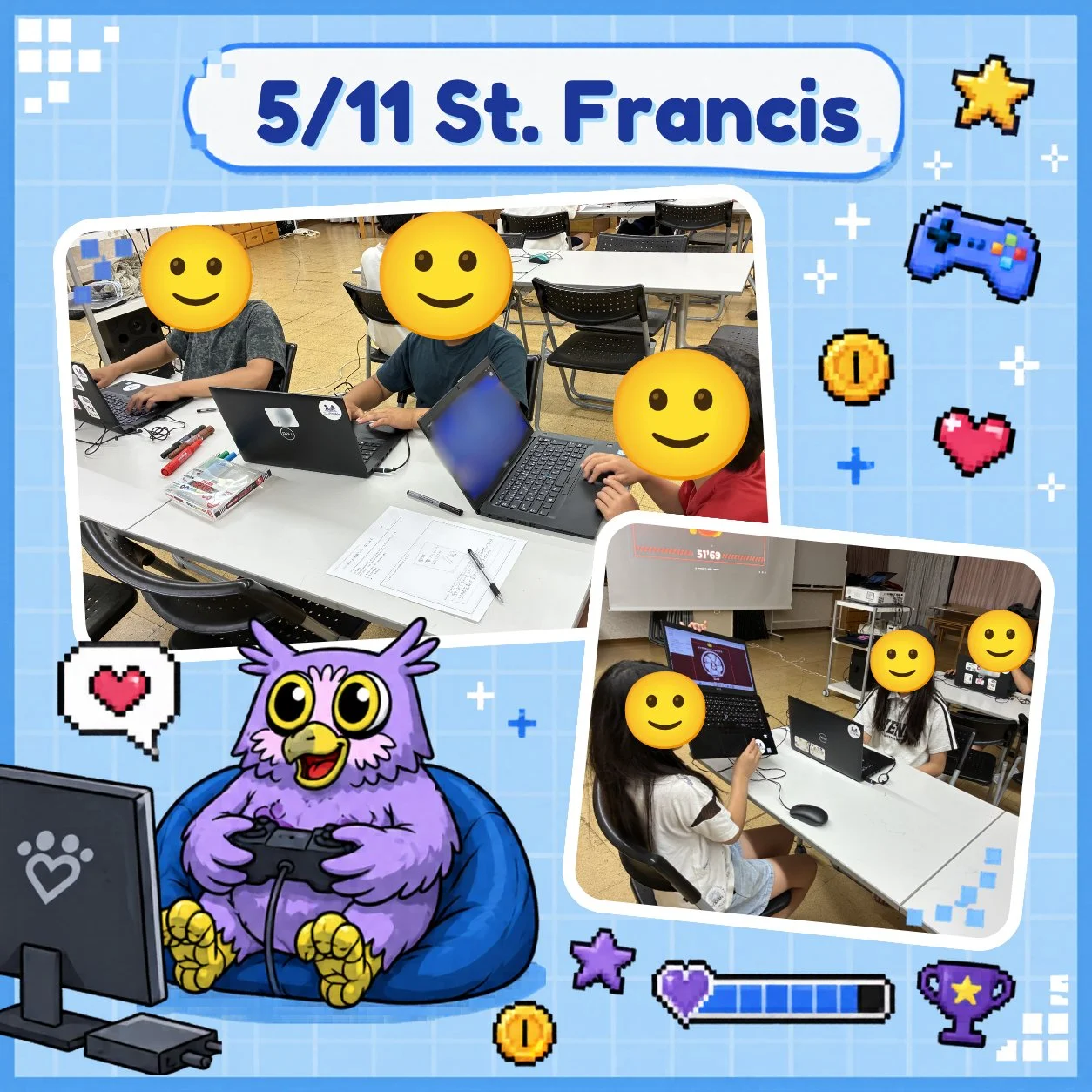
This week at St. Francis, it was so nice to see the children again after Golden Week!
We discussed how to stay positive, have fun, and be safe while playing games online. The children created their own video game concepts and also came up with rules to help keep the game fun and friendly for everyone.
Then, they played a Kahoot quiz using questions they themselves created in the last class. They worked together to find the answers and showed great teamwork throughout the activity.
A big thank you to all of our volunteers who helped support the students during the lesson. If you are interested in volunteering with us, please contact us at [email protected]
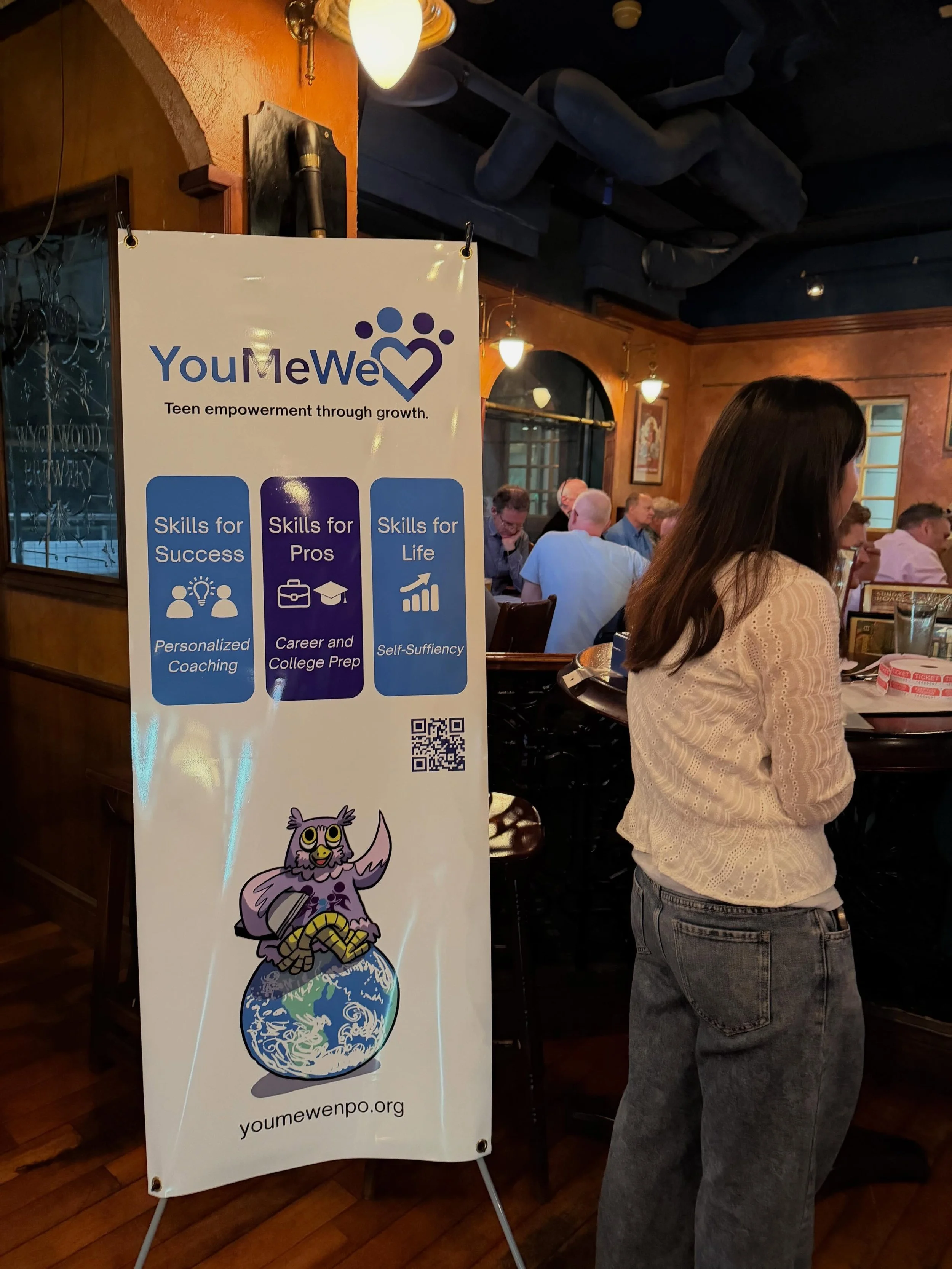
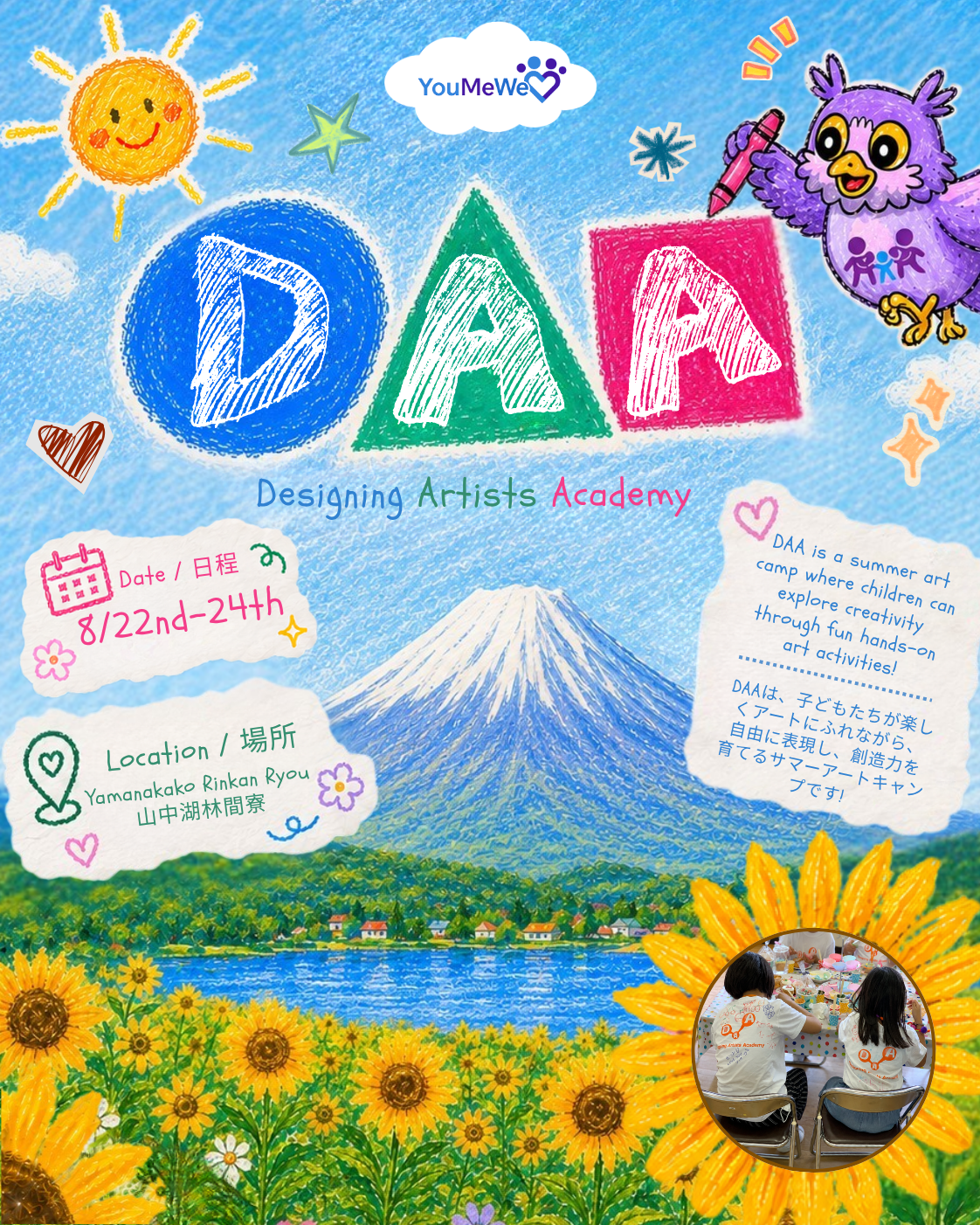
Designing Artists Academy (DAA) 2026
Designing Artists Academy (DAA) Summer Camp is a place where institutionalized children can explore creativity through hands-on art activities.
Through drawing, making, and creating together, kids can discover new interests and build confidence in a warm space.
🗓️ Date: 8/22–24
📍 Location: Yamanakako Rinkan Ryou
More information will be shared soon. Stay tuned!
We are also looking for volunteer teachers to support this year’s DAA.
DAAサマーキャンプは、施設に住む子どもたちが体験型アート活動を通して、自由に表現し創造力を育む場所です。
描いたり作ったりする時間を通して、新しい興味や自信に出会える場を届けます。
🗓️ 日程: 8/22–24
📍 場所: 山中湖林間寮
今後、詳細を少しずつお知らせしていきます。ぜひチェックしてください!
今年のDAAを一緒に支えてくださるボランティア講師も募集しています。
Interested? Please contact us at / ご興味のある方はこちらまで
[email protected] 💙
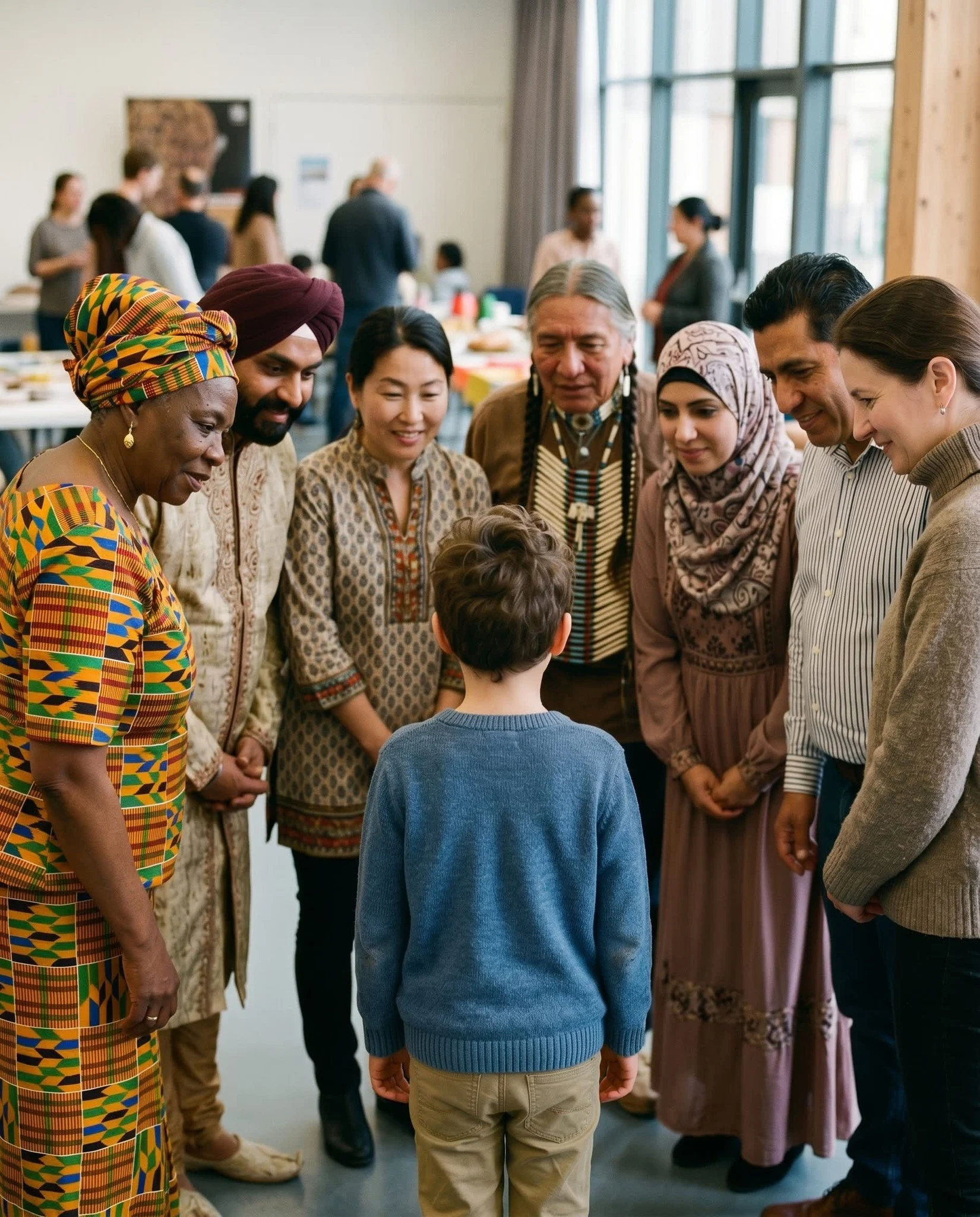
If you were no longer here, who would you trust with your children?
And what would you hope for them?
That question is at the heart of everything we do at YouMeWe.
The children we support have lost both parents. They are growing up in institutional homes, without the people who would have been their biggest champions. So our volunteers and mentors try to step into that role. They show up consistently, offer real guidance, and give these kids the kind of steady, caring presence their parents would have wanted for them.
It takes a village to raise a child. We have been building that village for 17 years, and there is always room for more people in it.
If you want to be part of something that genuinely matters, we would love to have you. Whether you can volunteer, donate, or simply spread the word, every bit of support reaches a child who deserves to know someone cares.
Visit youmewenpo.org or send us a message to find out how you can get involved.
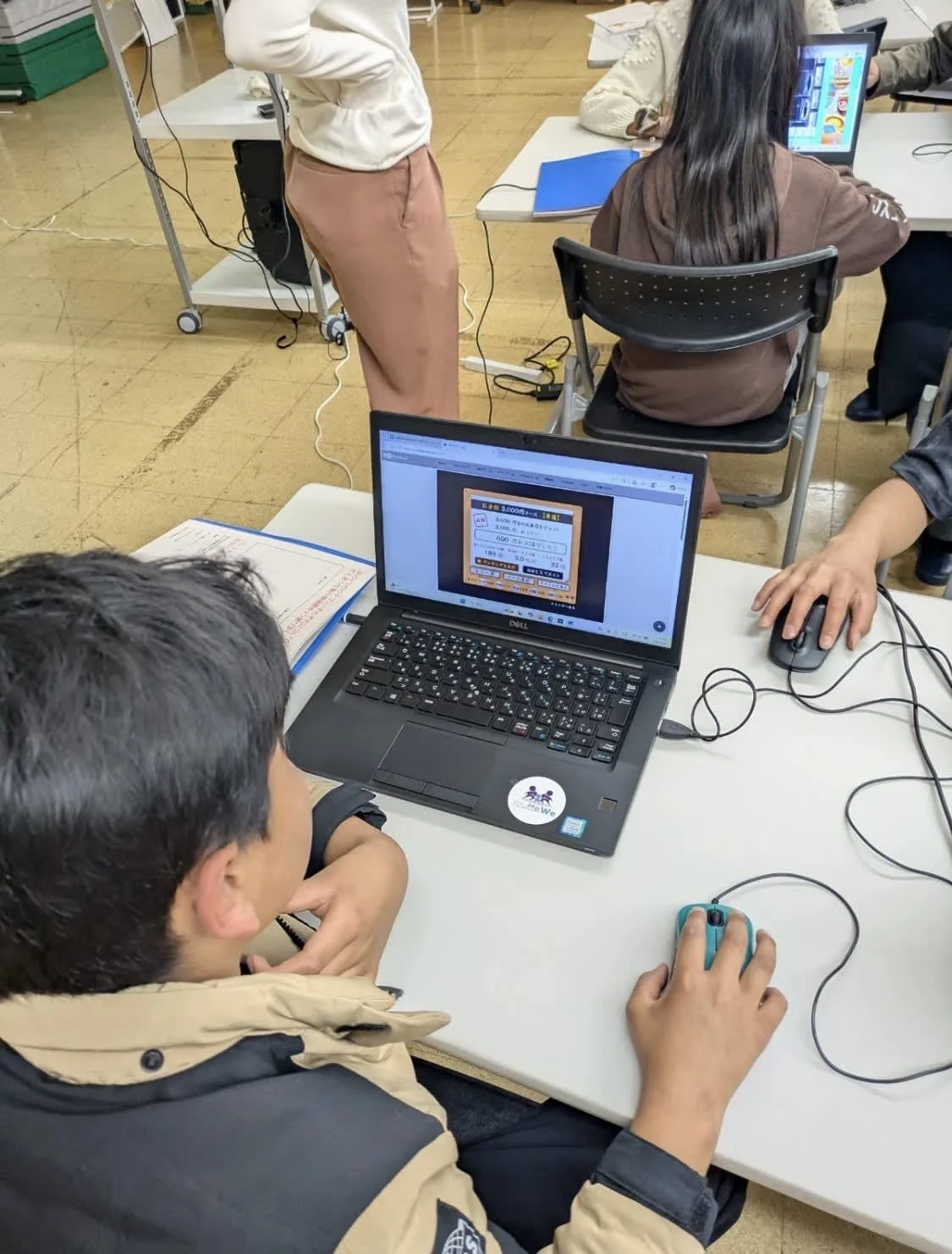
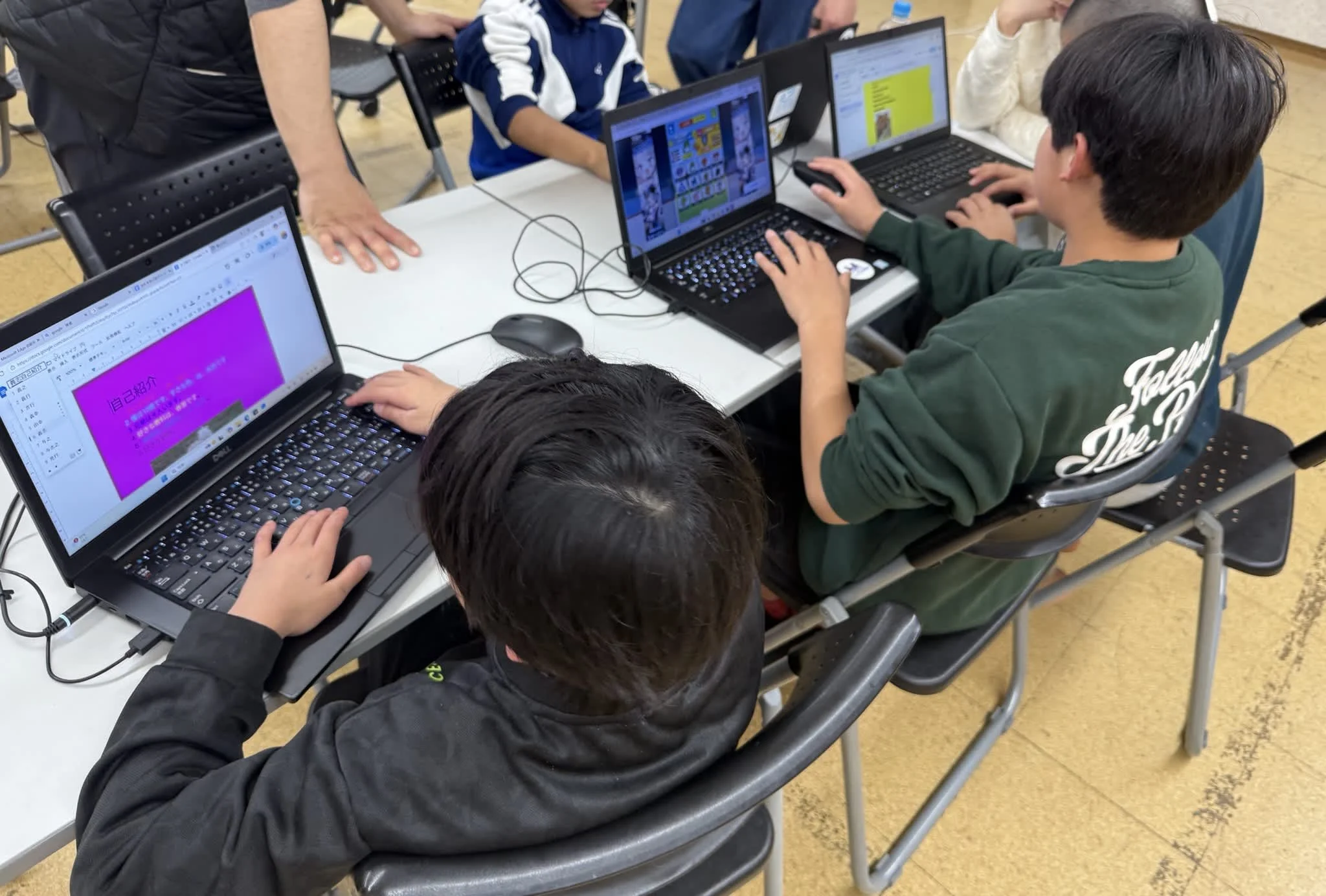
We asked the kids what they think of our weekly computer classes.
Their answer? "It's when we get to see our friends and play on the computers."
Honestly, I wasn't expecting that. But it made complete sense the moment they said it.
These kids all live in the same facility, but they're split across different group homes and floors. They don't just run into each other. So when class time comes around, it's not just a lesson. It's their version of a club meeting.
The learning matters. But so does this. The chance to sit next to a friend, share a screen, laugh at something together. That's real too.
Digital access isn't only about skills. Sometimes it's just about being able to show up in the same room.
#YouMeWeNPO #DigitalInclusion #YouthEmpowerment #SocialImpact #Community
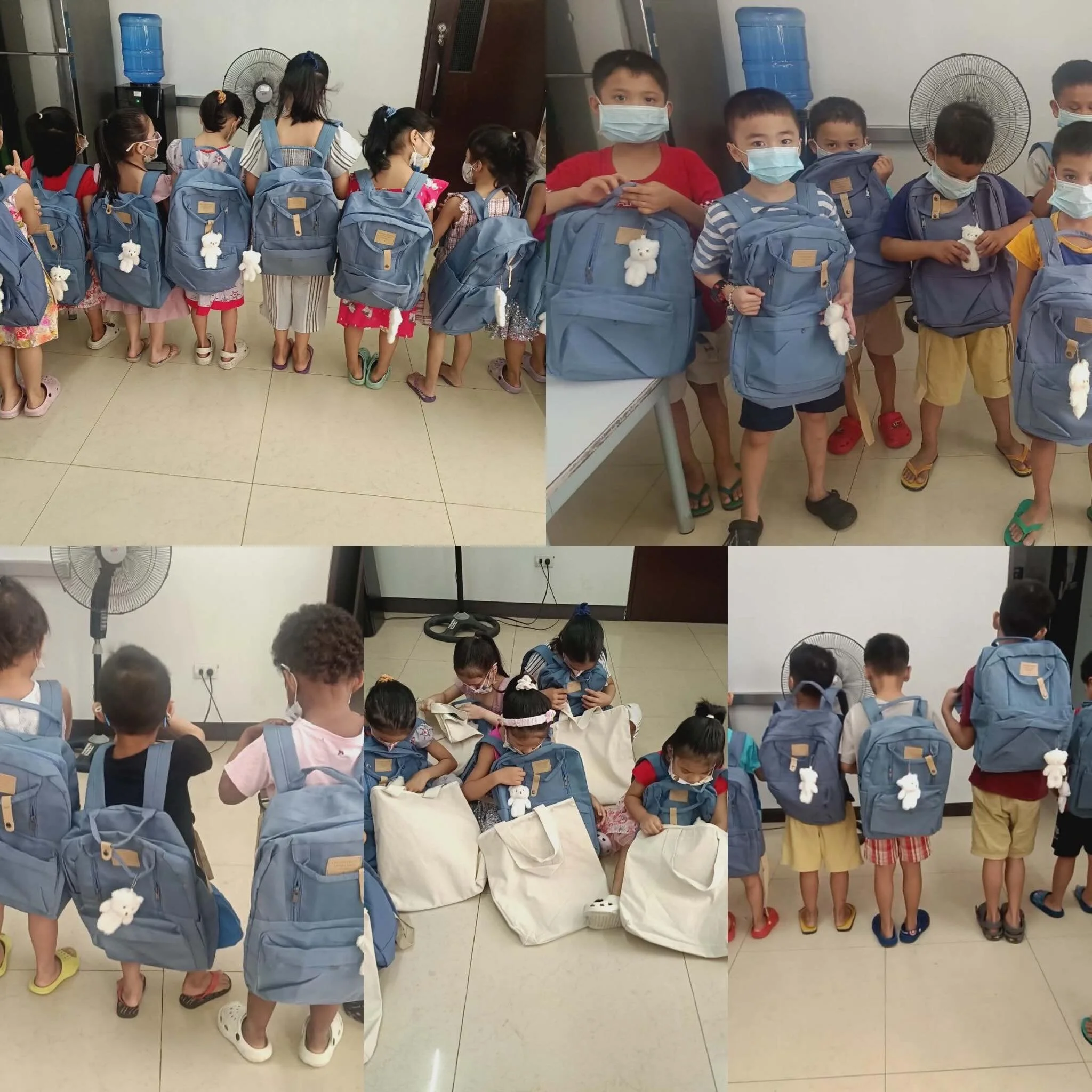
Some children enter care carrying their belongings in garbage bags. No child should have to feel that their life can be packed away like that.
Because of Goodera’s generous support, these children now have something of their own, a new bag to carry their things with dignity, comfort, and a sense of self during a hard transition.
This is more than a backpack. It says, you matter, your things matter, and your future matters.
Thank you, Goodera, for helping make this transition a little gentler for the children in our care.
施設に入る子どもたちの中には、持ち物をゴミ袋に入れて移動しなければならない子もいます。その経験が、どれほど心に残るかと思うと胸が痛みます。
Gooderaの温かいご支援により、子どもたちは自分自身の新しいバッグを持てるようになりました。大変な移行の中で、少しでも尊厳と安心、自分らしさを感じられるように。
これはただのバッグではありません。あなたは大切な存在だというメッセージです。
Gooderaの皆さま、本当にありがとうございます。
#YouMeWeNPO #Goodera #ChildrenInCare #DignityMatters #YouthSupport See less


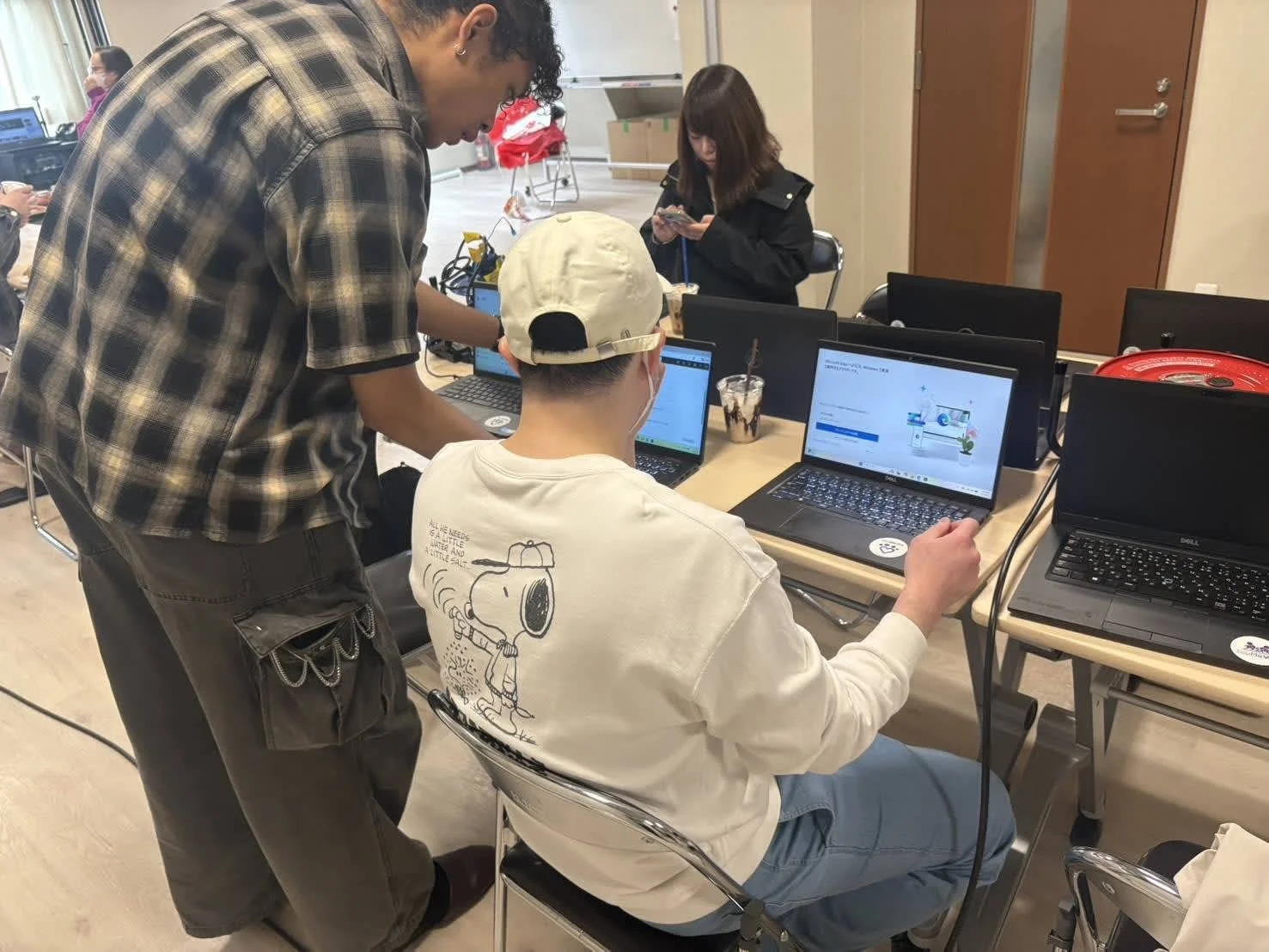
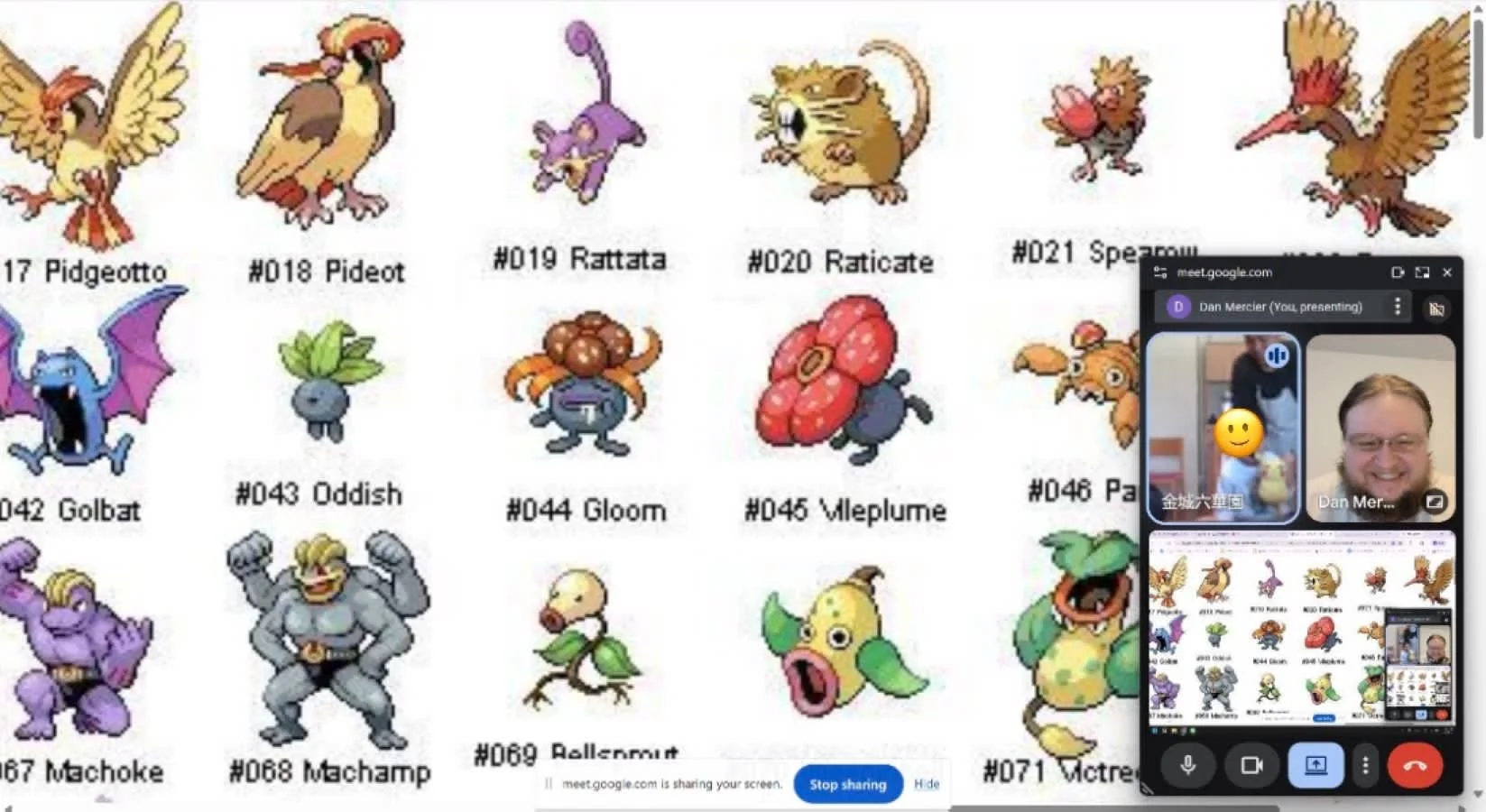
Sometimes the starting point is simple: “What do you love?”
For one student, that opened the door to Pokémon, curiosity, and a bigger conversation about programming. When young people can begin with what already excites them, learning feels possible, personal, and real.
So much of daily life is built through code. Our job is to help make that connection clear, and help each child see that their interests can lead somewhere meaningful.
#YouMeWeNPO #YouthEmpowerment #DigitalInclusion #Programming #fortheyouth See less
Kids are kids. Screens get cracked, devices get dropped. It happens.
But a broken screen doesn't mean a broken connection to the world. When a laptop goes down, we replace it. Fast. Because the weekly classes from Japan to Manila don't wait, and neither do the kids counting on them.
These devices are how our youth step into job interviews, practice English, and imagine a future beyond the walls of institutional care. Keeping that door open is exactly what You, Me, and We is about.
#YouMeWeNPO #DigitalInclusion #YouthEmpowerment #SocialImpact #fortheyouth See less